-

3D Printer

-

Material
-

Software
-

Application
-

Support
3D Printer
Material
Software
Application
Support
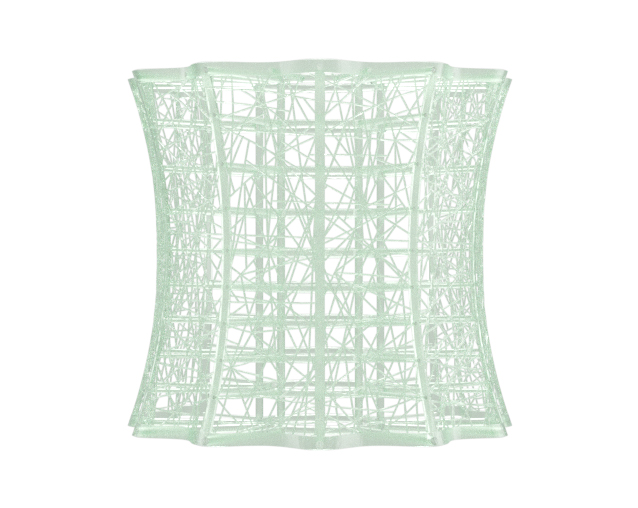
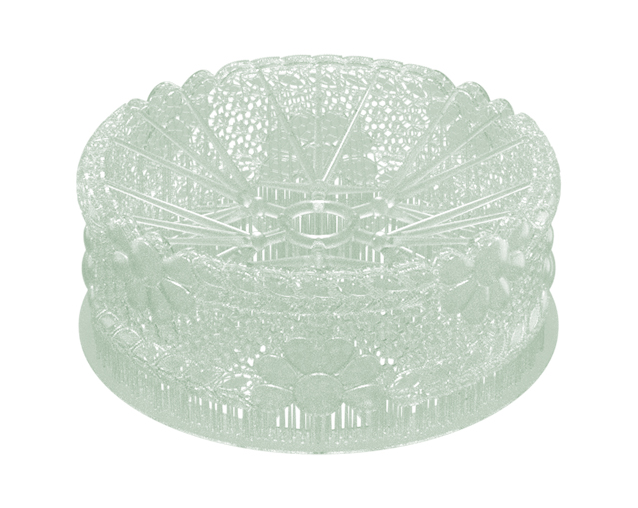
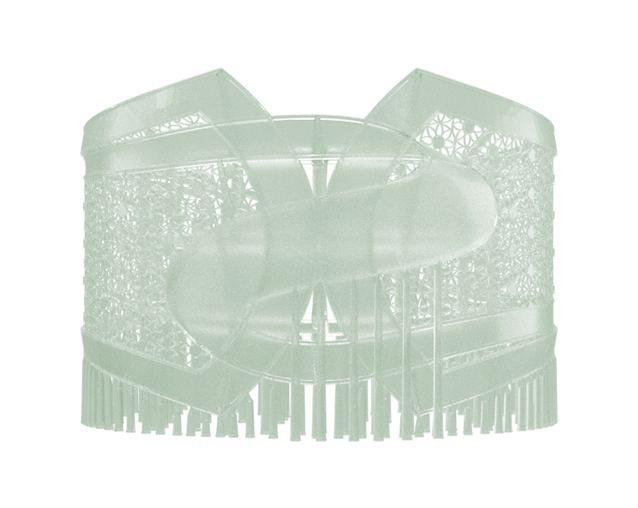
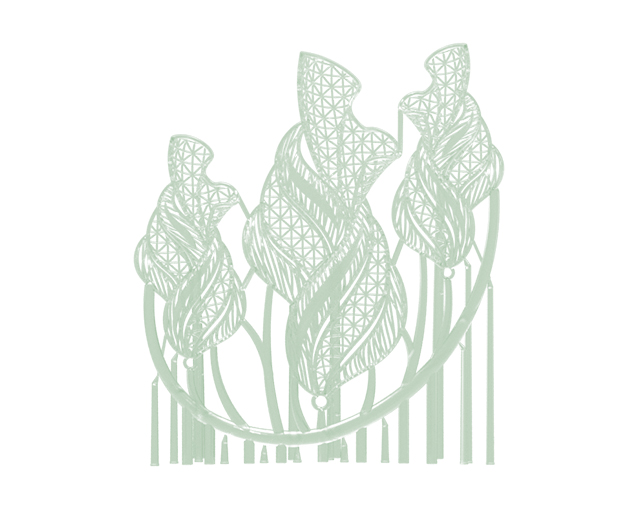

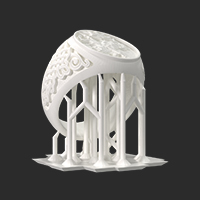
 Optimized for ultra-fine structures such as filigree, vines, and lace – sharp edges and clear details.
High wax content ensures complete burnout and high casting success rate. Smooth, high-quality surface finish.
Low shrinkage, no dimensional deviation in printed parts.
Upgraded formula – easier printing, smoother casting, and easier devesting.
Optimized for ultra-fine structures such as filigree, vines, and lace – sharp edges and clear details.
High wax content ensures complete burnout and high casting success rate. Smooth, high-quality surface finish.
Low shrinkage, no dimensional deviation in printed parts.
Upgraded formula – easier printing, smoother casting, and easier devesting.
 Brochure
 Application
Product Description
 Product Features
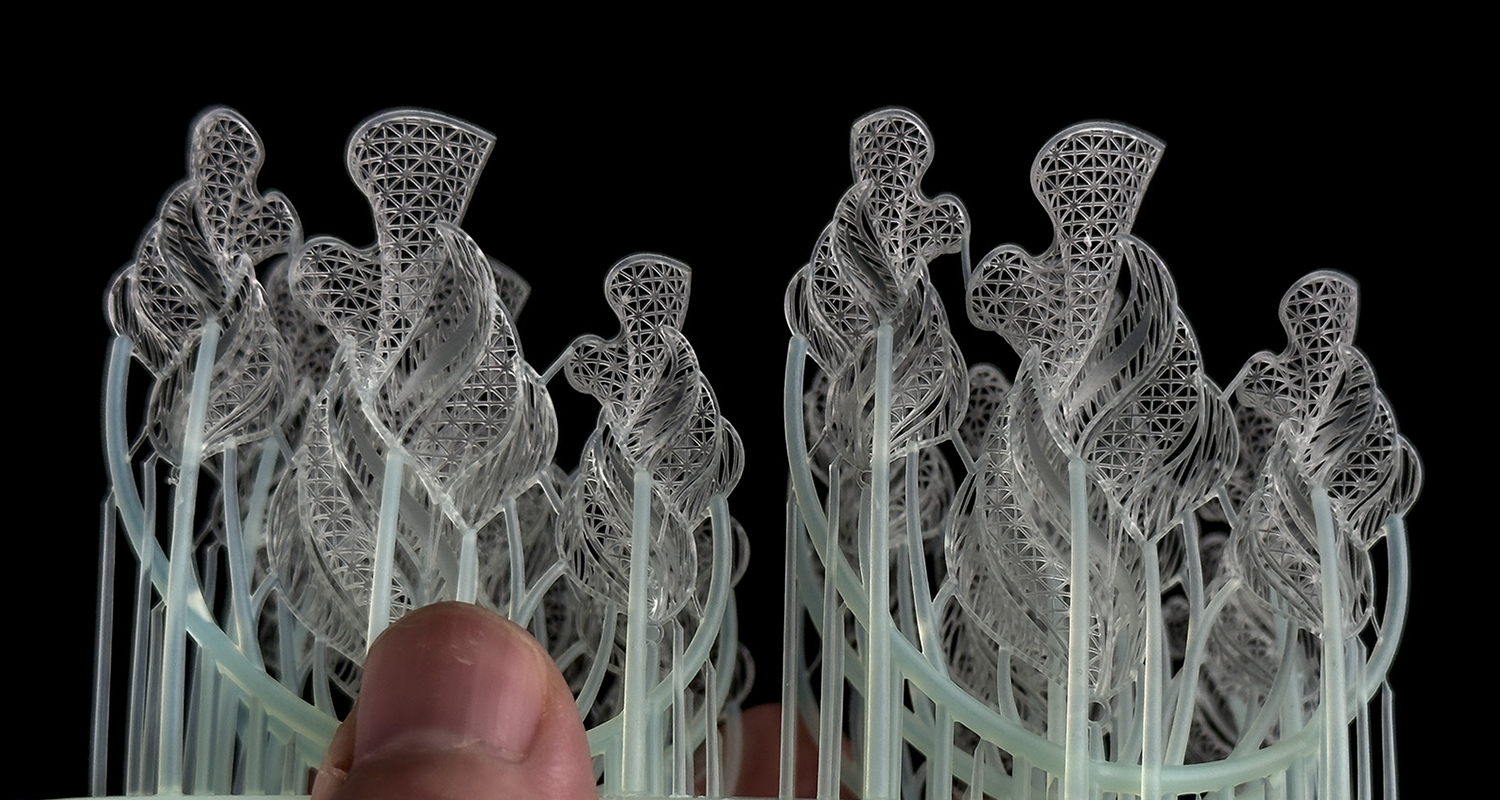
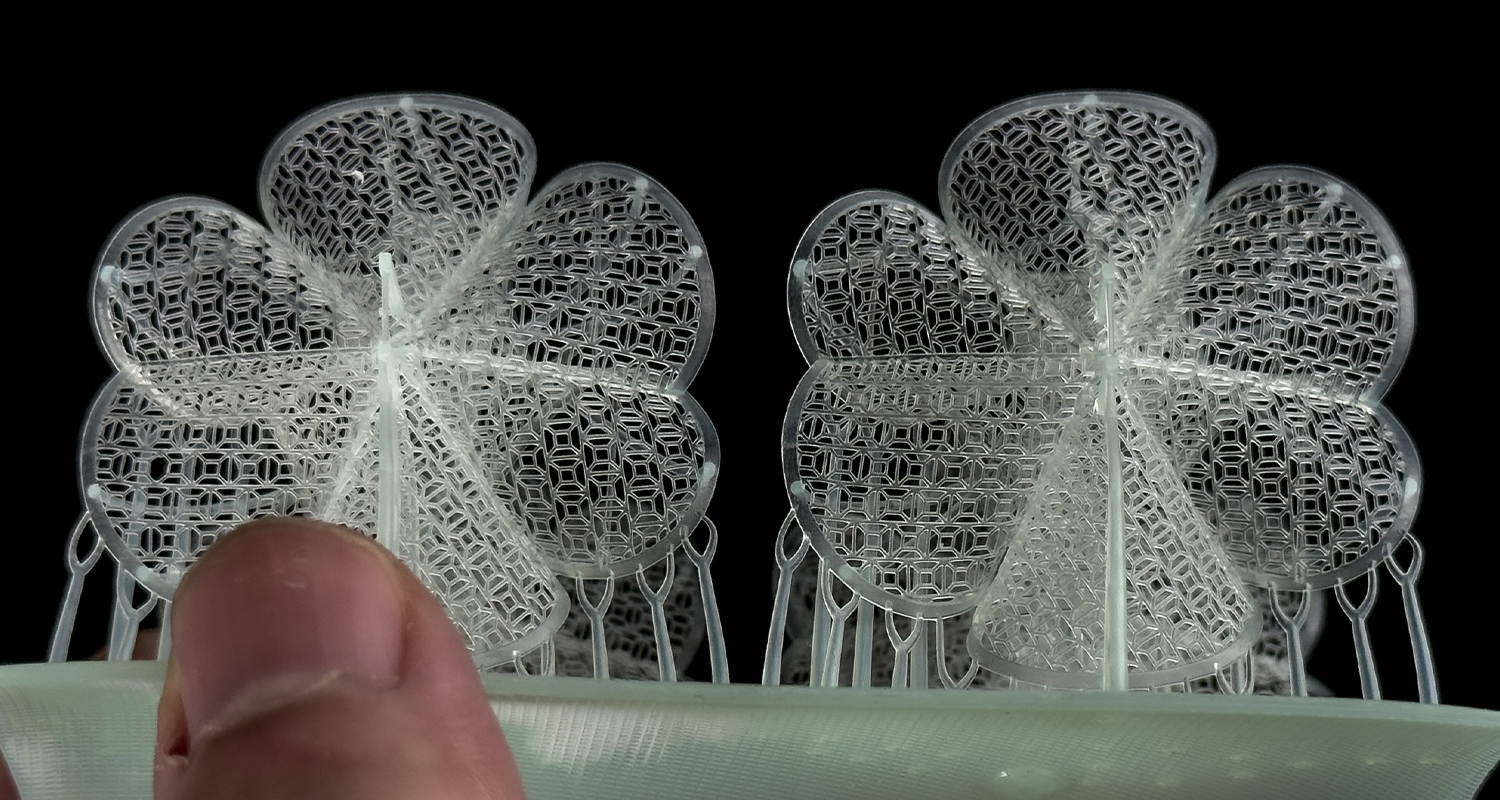
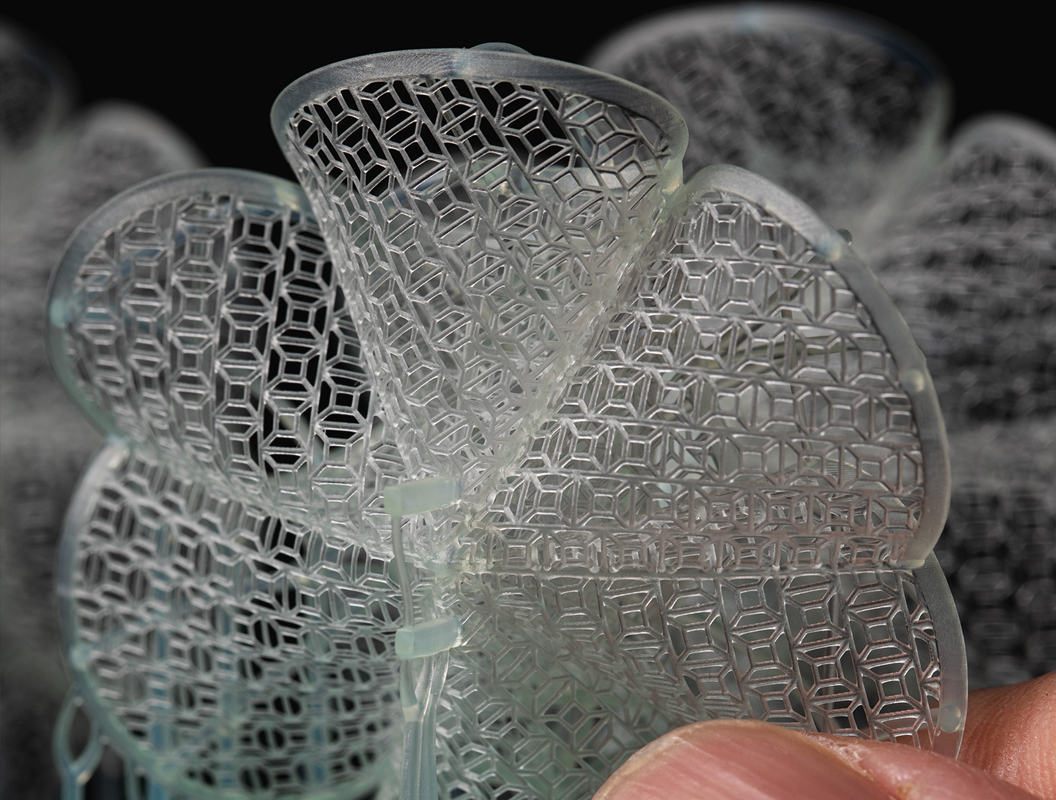
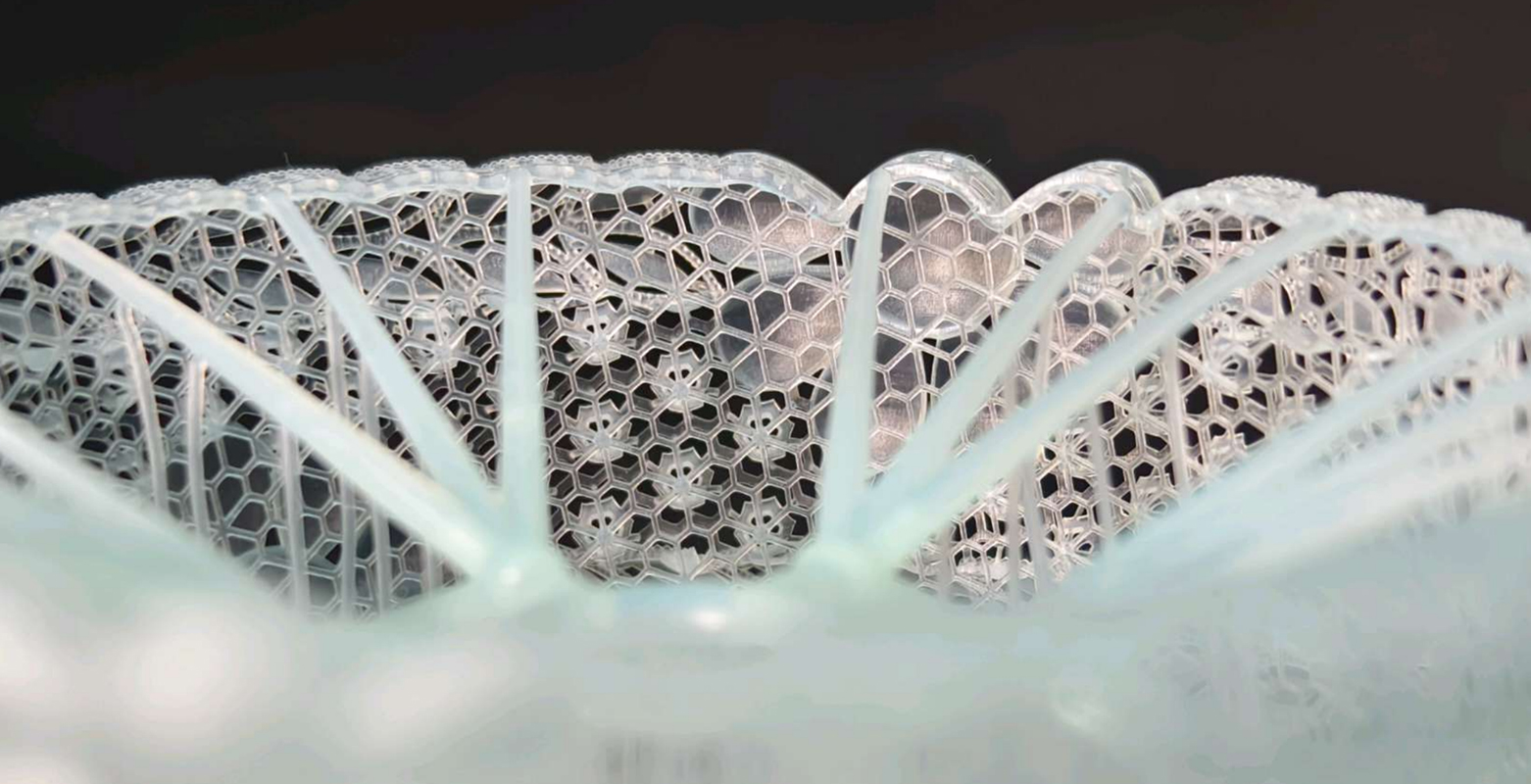
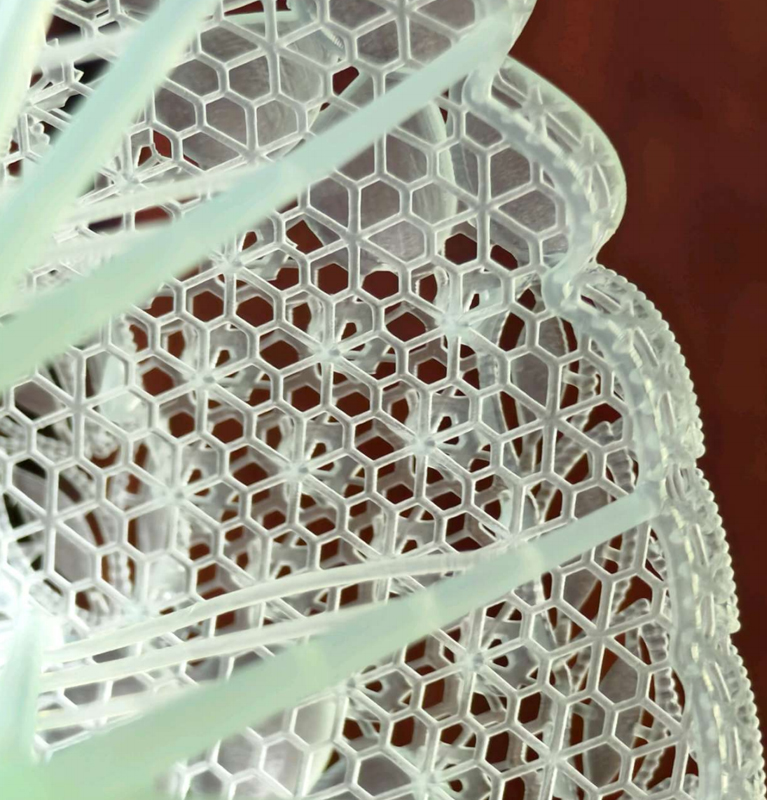
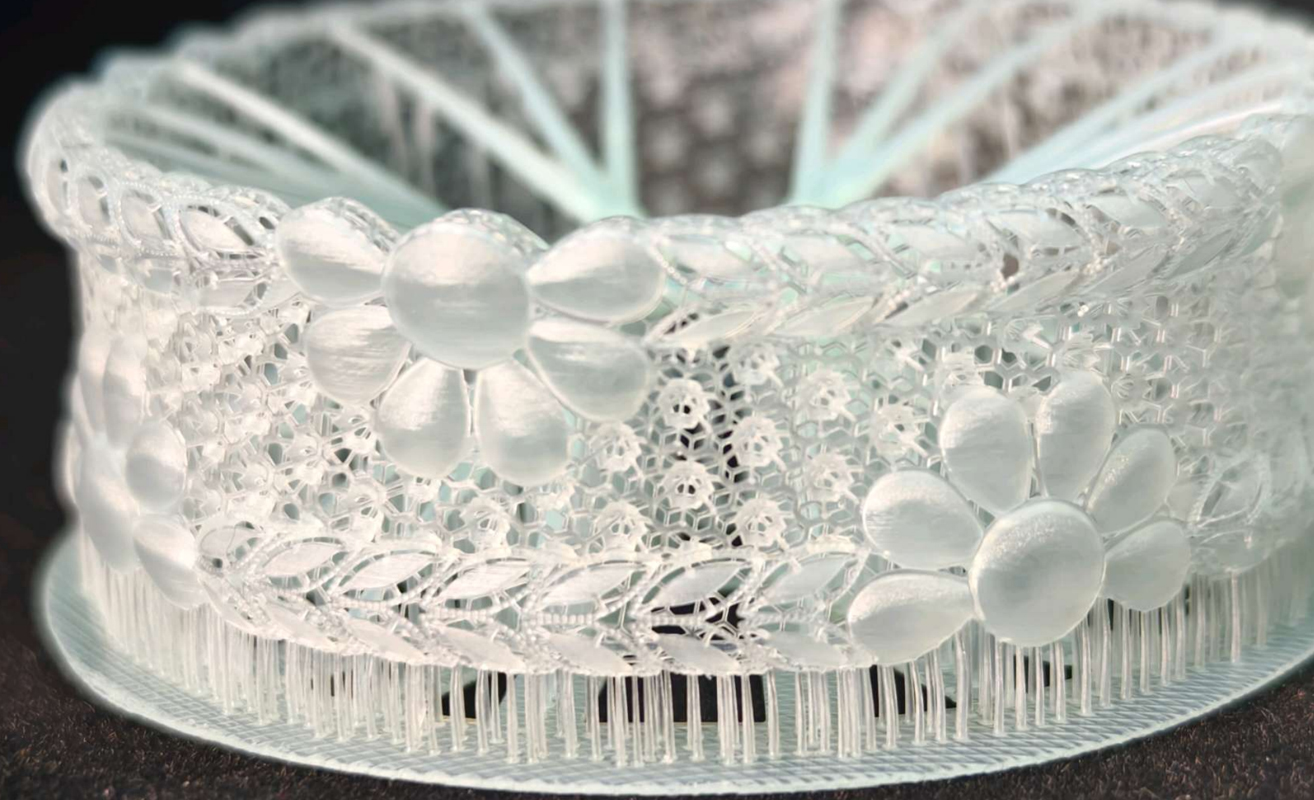
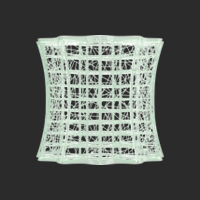
NOVA3D「Filigree Cast」is specifically developed for filigree castings. Combining strength and toughness, it prevents broken threads and deformation, making it easy to reproduce delicate structures and complex details. Elegant emerald green appearance. High-tension formula keeps fine wires intact. Achieves 0.03mm precision with clear, sharp details. Clean burnout with minimal ash residue, facilitating easy devesting.
Applications:Filigree rings, filigree bracelets – a 3D printing casting wax material developed for high-difficulty filigree and ultra-thin openwork structures. Solves industry pain points such as fragility, incomplete burnout, and dimensional inaccuracies that occur with conventional resins when printing extremely fine details.
Optimized for ultra-fine structures such as filigree, vines, and lace – sharp edges and clear details.
High wax content ensures complete burnout and high casting success rate. Smooth, high-quality surface finish.
Low shrinkage, no dimensional deviation in printed parts.
Upgraded formula – easier printing, smoother casting, and easier devesting.
 Performance Specifications
Printing precision ≤ 0.05 mm (50 microns) – perfectly reproduces filigree textures.
Elongation at break 8-12% – higher than ordinary resins, not brittle.
Ash content < 0.02% – clean burnout, reduces casting porosity.
 Storage Conditions
Storage conditions directly determine print success rate and material life. For high-wax resins and thin-wall/prong-specific resins commonly used in jewelry casting, storage requirements are stricter than for standard resins. The key factors are light protection, constant temperature, and moisture prevention.
Core Storage Parameters (General Gold Standard)
Temperature (20°C – 28°C):Optimal storage range.
Humidity (< 60% RH):>80% RH can cause resin to absorb moisture, leading to sticky prints and reduced strength.
Light (Complete darkness):UV (including sunlight and stray curing light) triggers pre-curing.
Container (Original opaque bottle):Cap tightly after opening to prevent oxidation and solvent evaporation.
1、Release Film Check
Before printing, check the release film for scratches or residues. Any residue must be cleaned; otherwise it may puncture the film causing resin leakage.
Jewelry precision: Small scratches on the release film may not affect ordinary models, but when printing ring engravings or filigree textures, these scratches will be projected onto the model surface, causing blurred details or defects.
Recommendation: Before high-precision jewelry printing, use a flashlight from underneath the resin vat to inspect the FEP surface – it should be smooth like a mirror.
2、Resin Preparation
Preventing sedimentation: Color pastes and fillers in casting resins (especially blue/purple) tend to settle. Simple shaking may not fully re-mix them, resulting in uneven color or inconsistent burnout performance.
Recommendation: After pouring resin into the vat, gently stir the resin surface with a scraper to ensure complete suspension of settled material. If recycled resin contains particles or clumps, filter through a mesh before pouring into the vat.
3、Temperature Control
Resin fluidity is highly sensitive to temperature. Optimal printing temperature is 25-30°C. Temperatures below 20°C increase viscosity and reduce fluidity, leading to print failures or visible layer lines. Use the heating function in winter.
4、Safety Protection
Goggles: UV protection – photopolymer printers (LCD/DLP/SLA) use 405nm UV light to cure resin. Prolonged direct viewing of the screen or reflections from the resin surface can cause irreversible eye damage.
Gloves: Must wear nitrile gloves to prevent skin contact, which may cause allergic reactions.
Ventilation: Operate in a well-ventilated area to avoid inhaling volatile resin fumes.
Sanding Dust: In addition to printing precautions, jewelry wax models generate fine dust when removing supports and sanding. This dust contains partially uncured resin and is harmful if inhaled.
Recommendation: Operate in a ventilated area and wear a dust mask (e.g., N95 level).
5、Adding Resin
Pour prepared resin into the vat. Turn on the constant-temperature heating system to warm the resin. When the temperature reaches about 30°C, start printing.
1、Cleaning
Jewelry models typically have dense supports and complex structures (e.g., filigree, settings). A single cleaning often leaves residual resin.
Two-tank method: Prepare two cleaning containers.
First wash (rough wash): Dissolves most resin from the model surface. This alcohol will quickly become dirty.
Second wash (fine wash): Thoroughly removes remaining residue. This alcohol must remain relatively clean.
Process: After removing the model from the printer, first soak and agitate in the first wash for 1-2 minutes to dissolve bulk resin. Then quickly transfer to the second wash, soak and agitate for another 2-3 minutes to ensure resin in crevices is completely removed. (Do not exceed 5 minutes total cleaning time). Tool assistance: For dead corners like ring inner walls and setting cavities, use a soft brush (e.g., old toothbrush) to gently scrub, but be careful not to break fine structures.
2、Post-Curing
Place prints in a UV curing chamber with intensity ≥ 60 mW/cm².
Curing time: Thin-walled parts ~5 minutes; thick-walled or large parts 15-20 minutes.
Process optimization (optional): Before UV curing, bake prints at 80°C for 10 minutes. This helps reduce resin thermal expansion, improving dimensional stability and casting success rate.
3、Support Removal
Timing: Recommended to remove supports after cleaning but before curing. At this stage, the resin has a slight toughness and is less likely to break.
Tool: Must use flush cutters. Cut supports at the base. Avoid tearing off by hand, which may leave scars on the model surface (requiring later finishing).
4、Quality Inspection
The final step before casting – use a flashlight or strong light to inspect the model for the following issues:
Residual liquid: Unwashed resin on inner walls (appears transparent).
Breakage: Broken filigree or setting prongs.
Deformation: Ring shank distorted during cleaning or curing.




 GEM3 MAX
 GEM3
GEM3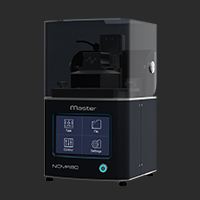 Master
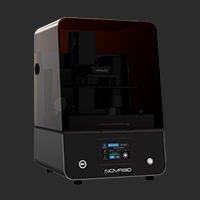 Whale4 Ultra
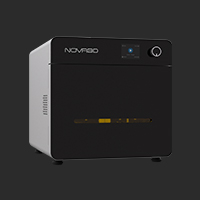 Fastcure 3
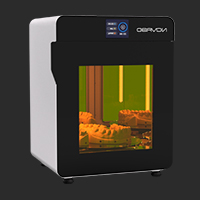 Fastcure 2
 Precision Cast Resin
 Filigree Cast Resin
 Hi-Wax Cast Resin
 Fast Dental Model
 High-Precision Dental Model
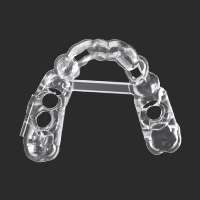 Surgical Guide Resin
 Tough Washable Resin
 Washable Ultra Clear
 Washable Mecha Resin
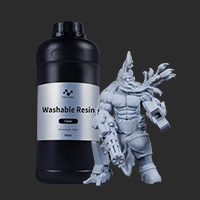 Water Washable Resin
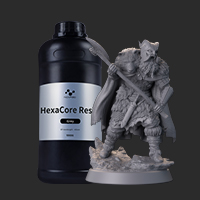 HexaCore Resin
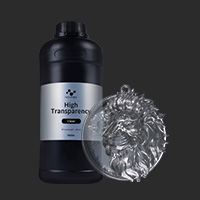 High Transparency
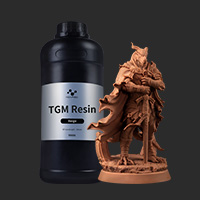 TGM Resin
 EZ-Core Resin
 NovaMaker (Windows)
 NovaMaker (macOS)
 Jewelry Application
 Dental Application
 Download Center
 Social Media
 Contact
 Request a sample
 About
About English