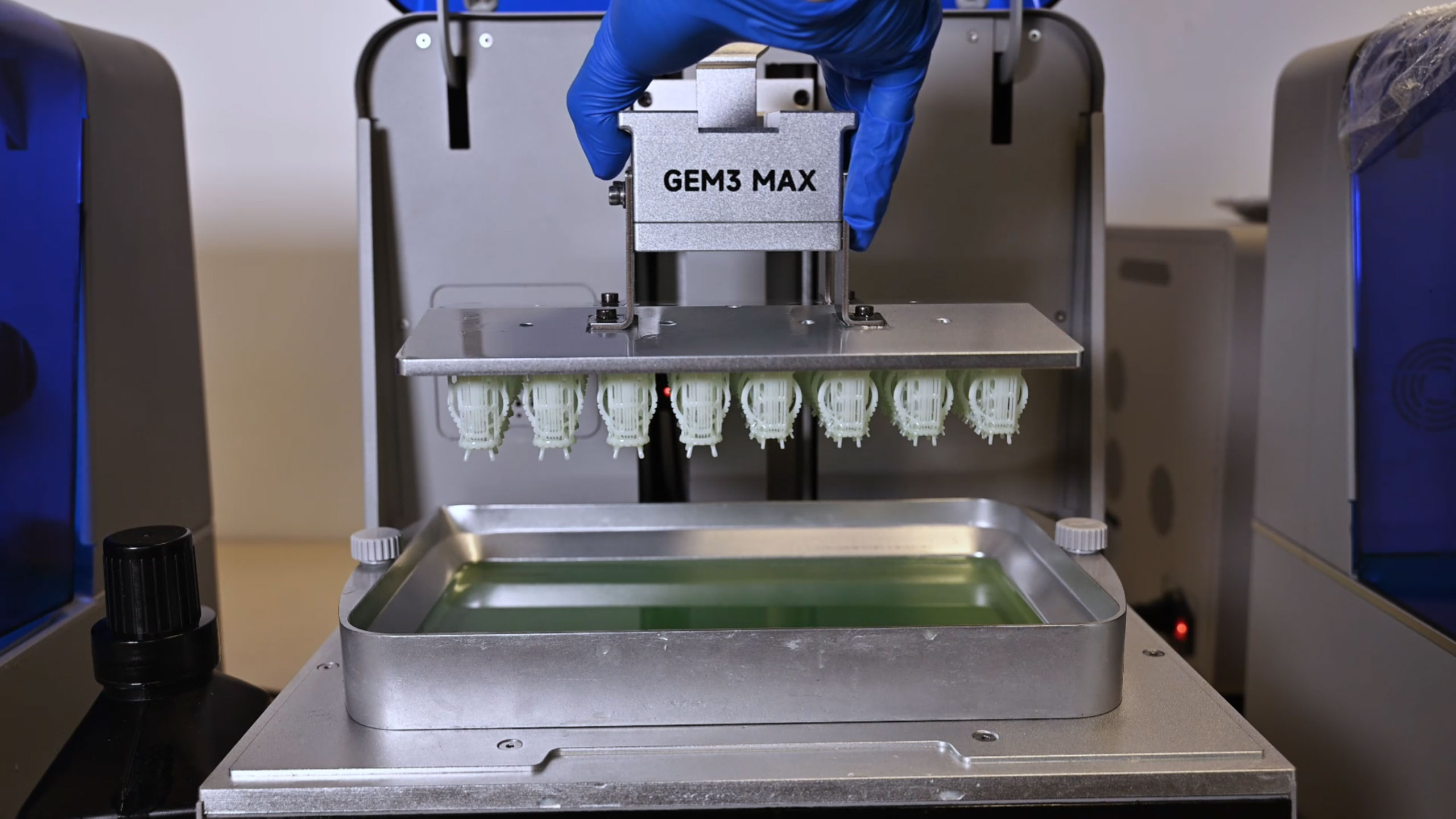
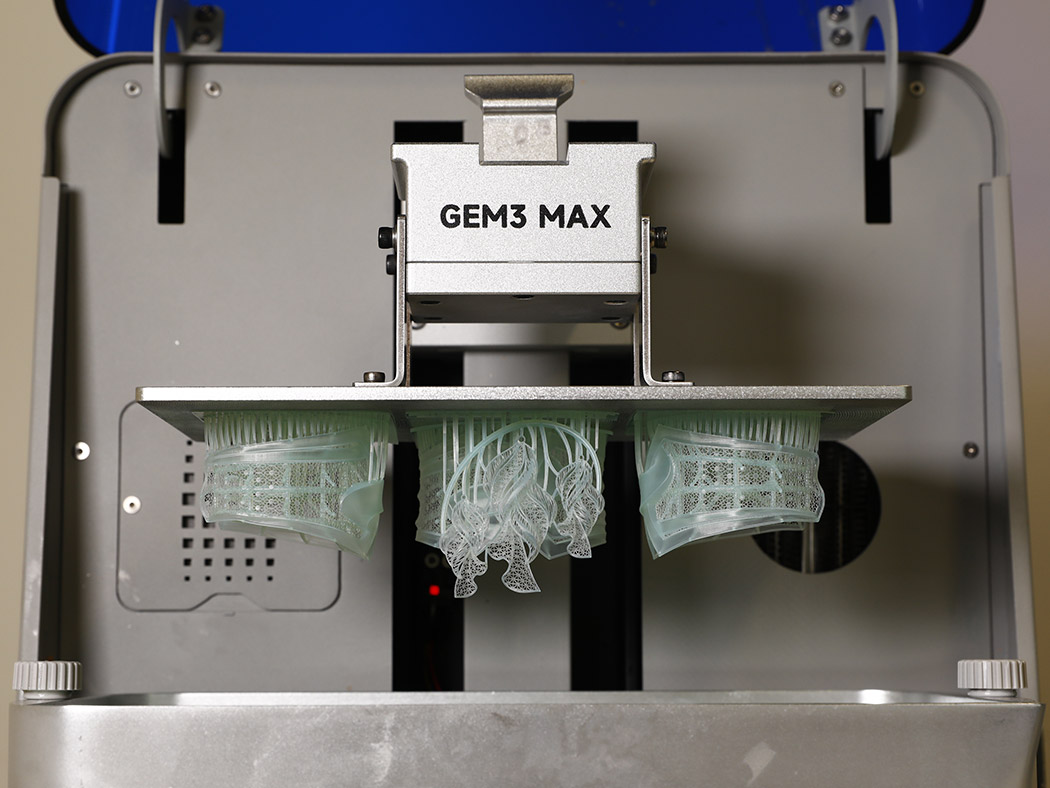
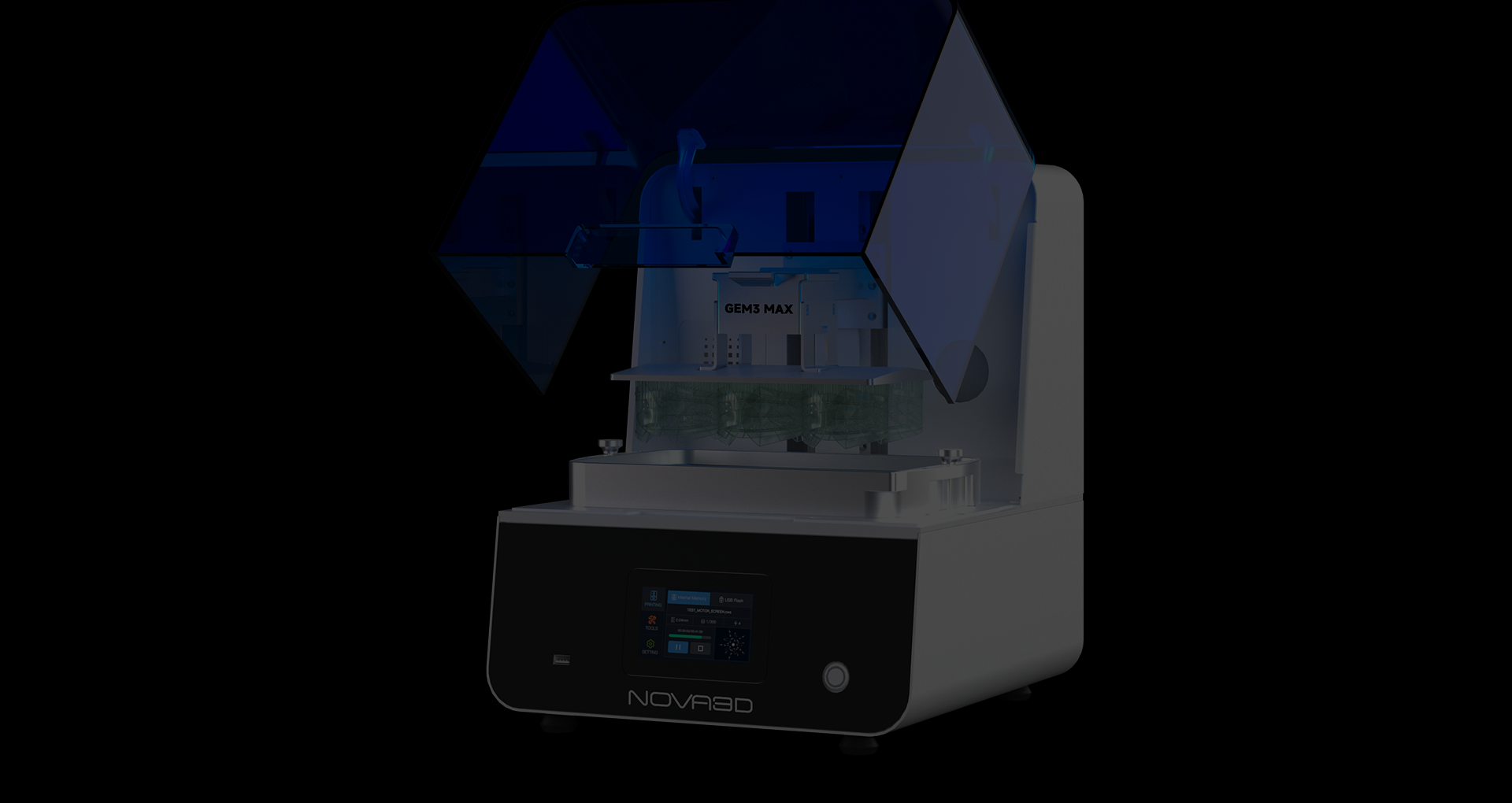
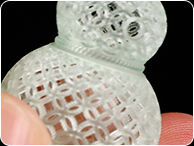
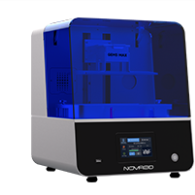
Facing the needs of jewelry design, precision proofing, and multi-model layout, the GEM3 Max is equipped with a 16K high-resolution imaging system, full-frame light homogenization exposure, 211 × 118 × 120 mm molding space, and NovaStudio software workflow, providing a professional equipment foundation for micro-setting, filament, hollow, and complex structure resin model printing.
16K MSLA 3D printer for professional jewelry and precision model making
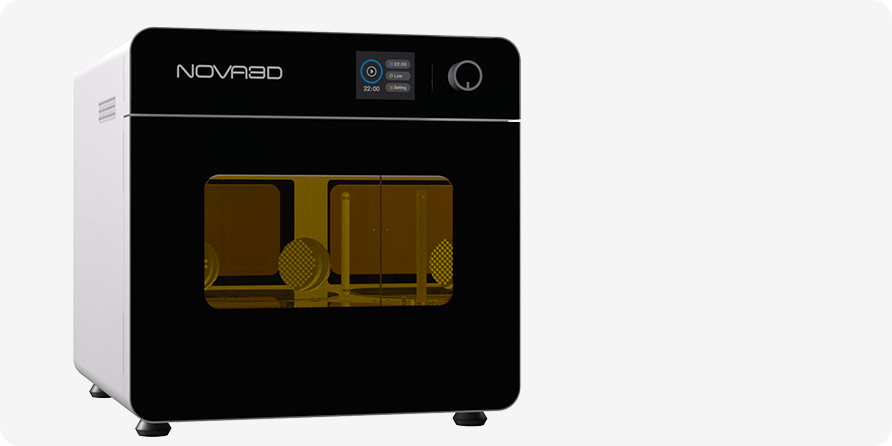
NOVA3D GEM3 Max is an MSLA/UV LCD 3D printer for jewelry design verification, precision resin model making, and multi-model arrangement needs. The device uses a 16K imaging system, stable motion structure, intelligent heating, and network transmission capabilities. It can be used in high-detail resin model making scenarios with software such as NovaStudio and CHITUBOX.
GEM3 Max jewelry application scenario
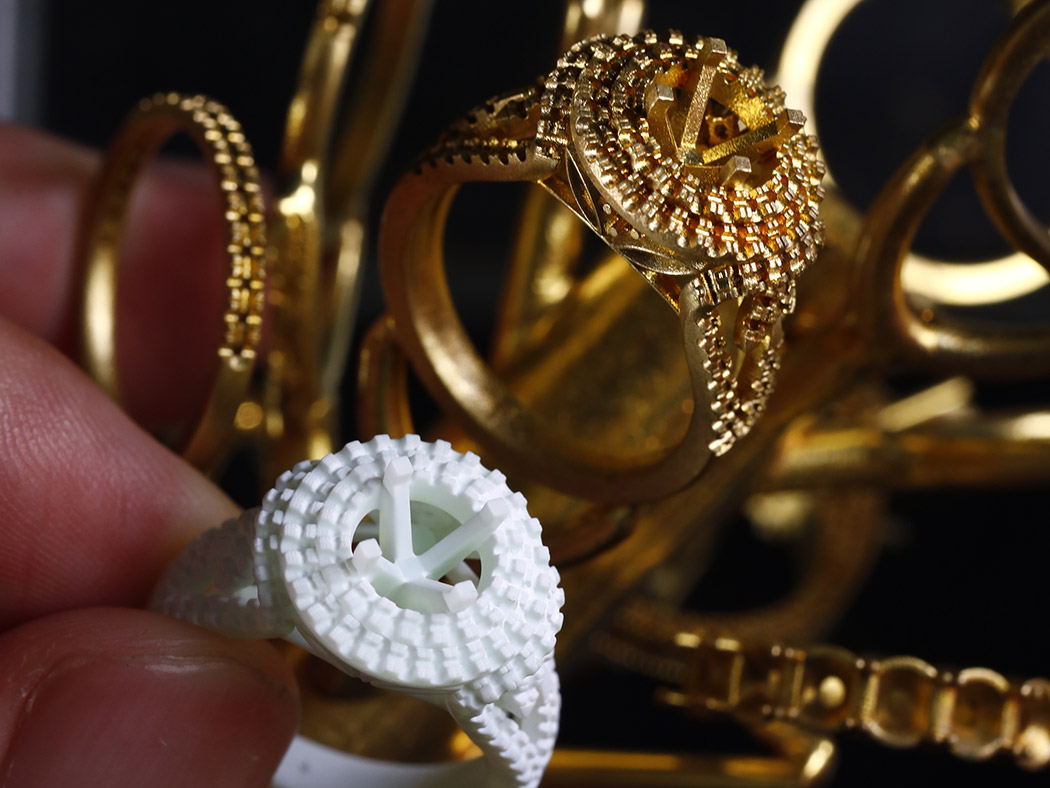
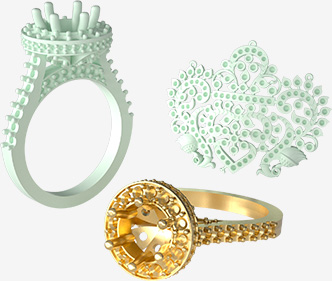
Claw setting ring
Claw-set rings typically contain small claw positions, inserts, and hollow structures, which require high model details, support settings, and post-processing procedures. With GEM3 Max and Precision Cast Resin, users can create resin models for design verification, insert observation, and pre-wax casting evaluation.
Recommended products:
GEM3 MAXPrecision Cast Resin
Applicable structure:
Four-claw/six-claw insert, small claw position, hollow shell, light and curved parts
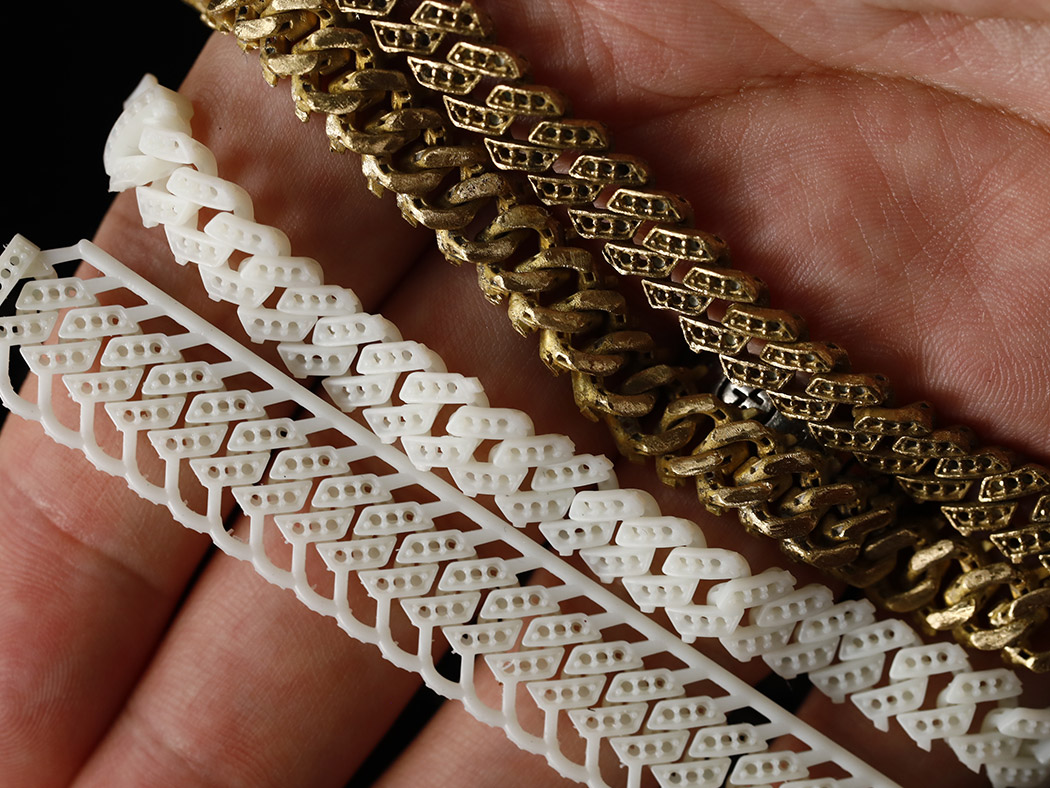
Cuban bracelet
The Cuban bracelet is composed of multiple links and fastening structures. The links are closely connected and the fasteners are movable. The model is required to have high strength and toughness, while taking into account the details. With GEM3 Max and Precision Cast Resin, a complete chain model can be made for connection testing, fastening verification and pre-wax casting evaluation.
Recommended products:
GEM3 MAXPrecision Cast Resin
Applicable structure:
Chain links, fasteners, connecting rings, movable buckles, buckles between joints, and closures
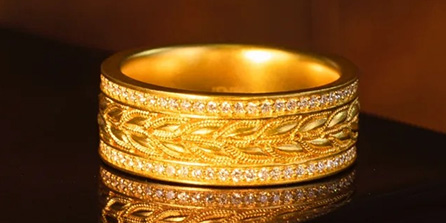
Filigree bracelet
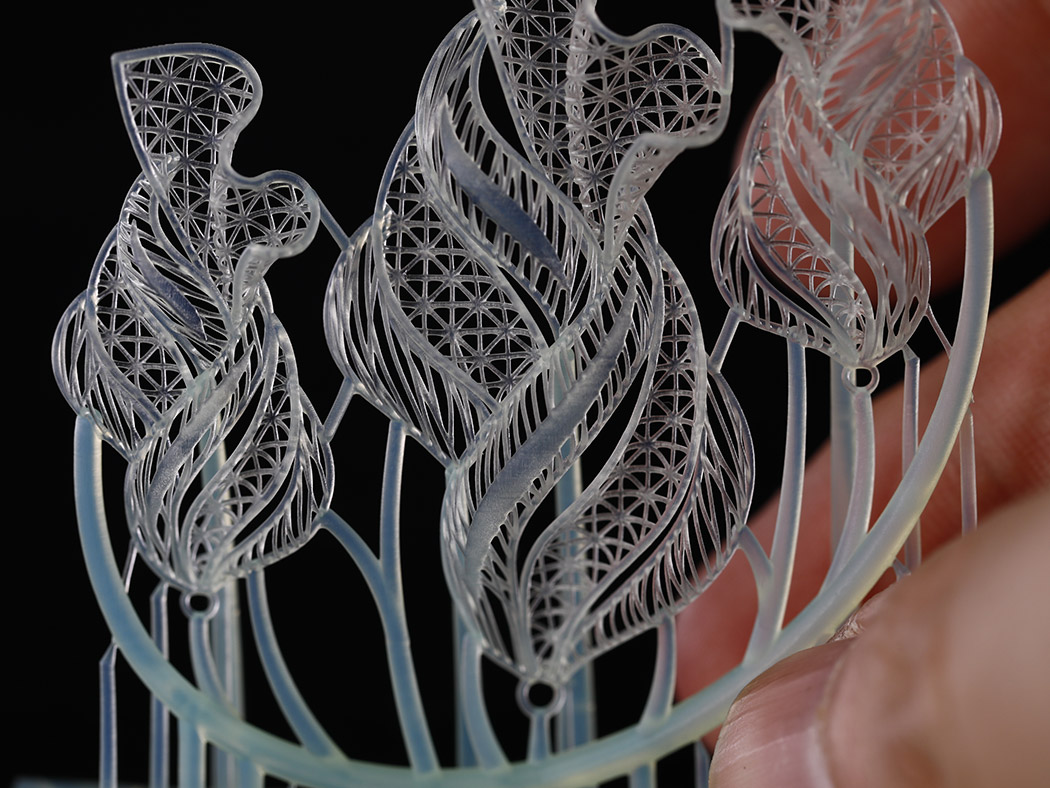
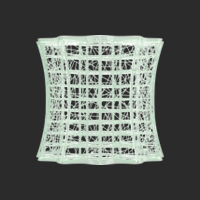
The filament bracelet is composed of filament, hollow and crimped structures. The structure is fine and it is easy to leave ash at the hollow part during the sintering process, which requires high clarity and support settings for the model. Through GEM3 Max and filament casting resin, filament bracelet resin models can be made for filament design evaluation, hollow burnability verification and pre-wax casting evaluation.
Filament pendant contains filament, hollow and pendant structure, the whole is fine, and it is easy to leave ash at the hollow position during the sintering process, which requires high definition of model filament performance and hollow part. Through GEM3 Max and filament casting resin, filament pendant resin models can be made for filament design evaluation, hollow burnability verification and pre-wax casting evaluation.
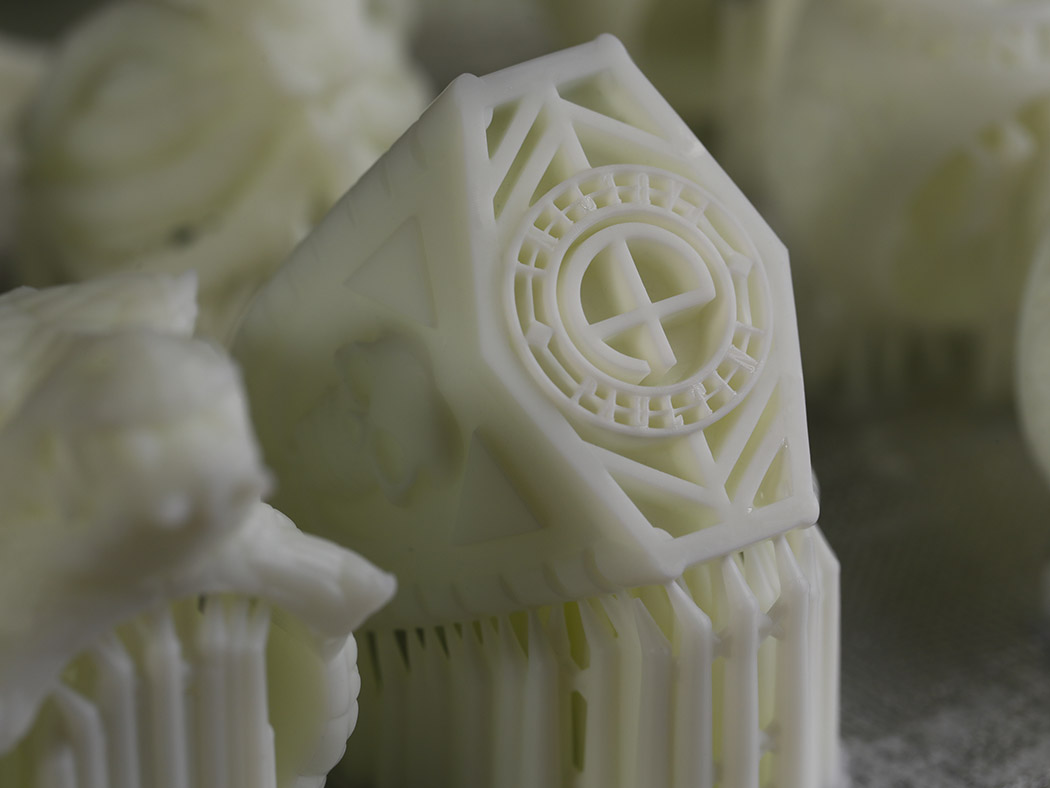
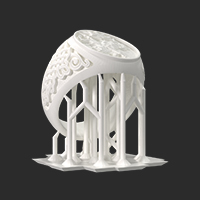
The overall wall thickness of the thick-walled ring for men is large, and the thick-walled structure is prone to uneven curing and incomplete combustion during printing and sintering, which requires high wall thickness uniformity and combustion smoothness of the model. Through GEM3 Max and high wax thick casting resin, thick ring resin models can be made for structural verification, dimensional evaluation and pre-wax casting evaluation.
Recommended products:
GEM3 MAXHigh wax thick casting resin
Applicable structure:
Thick wall, wide surface, edges and corners, grooves, lettering surface, wide ring surface
Thick cast pendant
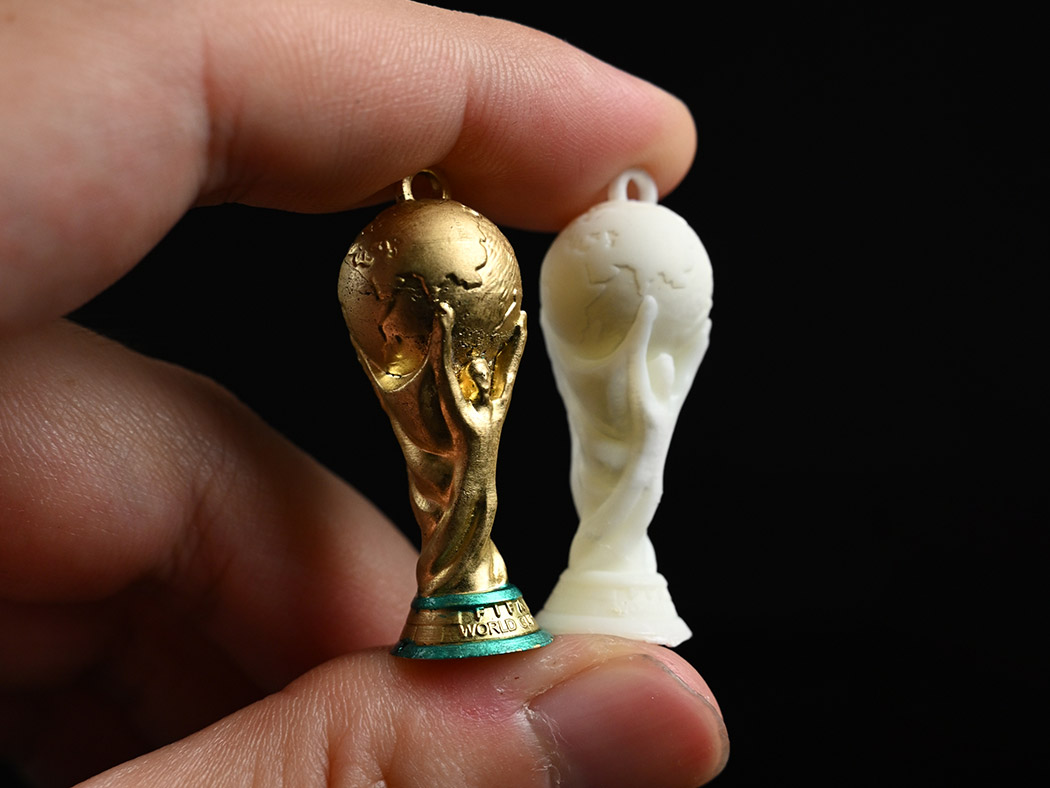
Thick cast pendant contains thick wall, relief and buckle structure, which requires high dimensional stability, detail performance and combustion smoothness of the model. Through GEM3 Max and high wax thick casting resin, thick cast pendant resin models can be made for structural verification, thickness evaluation and pre-wax casting evaluation.
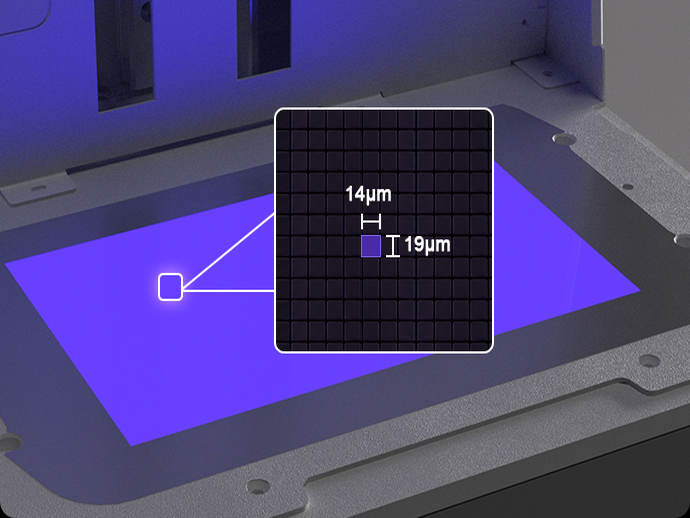
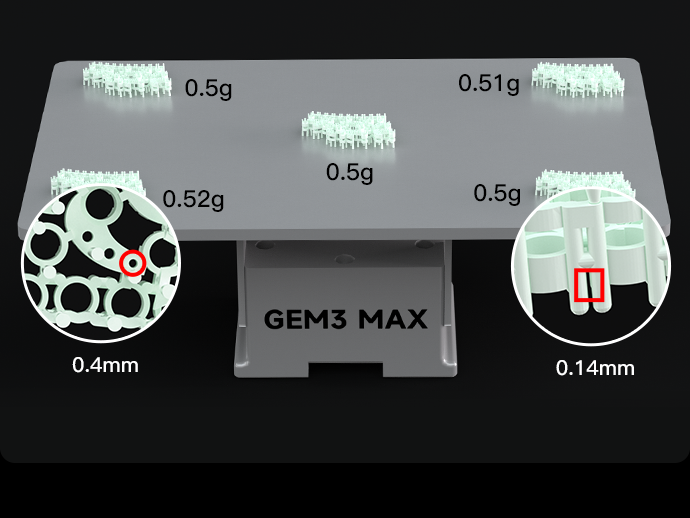
14 μm is only about 1/5 of a hair, and you can see a thinner jewelry structure
For example, about 70 μm of hair, 14 μm is about one-fifth of its size. The 14 × 19 μm pixel size helps to present the fine structure of jewelry such as micro-inlays, filaments, pores and hollows, making the design details more intuitive.
14 × 19 μm pixel size15120 × 6230 16K resolution
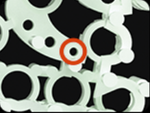
Micro-claw positionSmall Insertion and Claw Boundary
fine hole positionDecorative hole, hollow hole structure
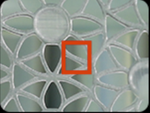
Filament textureThin lines and complex textures
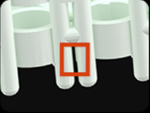
Hollow gapSlits, gaps, and hierarchies
Sample test example
Example of minimum hole diameter0.4 mm
Minimum gap example0.14 mm
Finest filament example0.18 mm
The actual print effect is influenced by the model structure, resin type, layer thickness, exposure parameters, support settings, and post-processing flow.
Full exposure is more uniform Full-page models are more consistent
GEM3 Max uses the seventh-generation COB light source and light homogenization system to help improve exposure consistency in the molding area, enabling models at different positions on the platform to obtain closer exposure conditions, suitable for multi-specification, multi-style and batch sample arrangement.
The seventh generation COB light source
≤ 90% light intensity uniformity
Greater forming space Multi-model arrangement is more relaxed
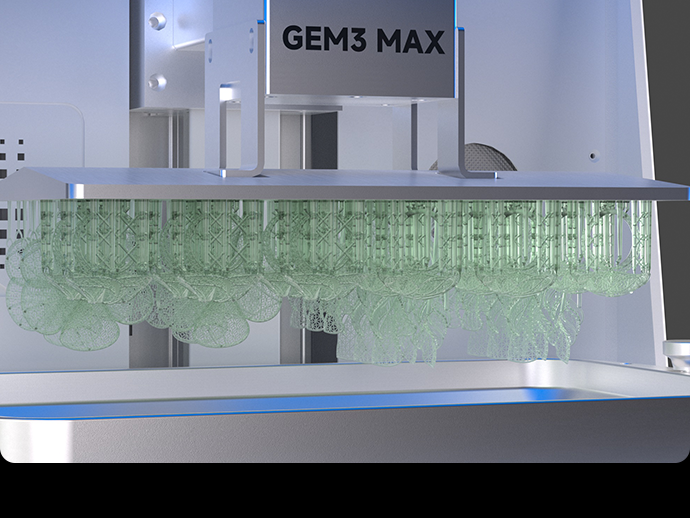
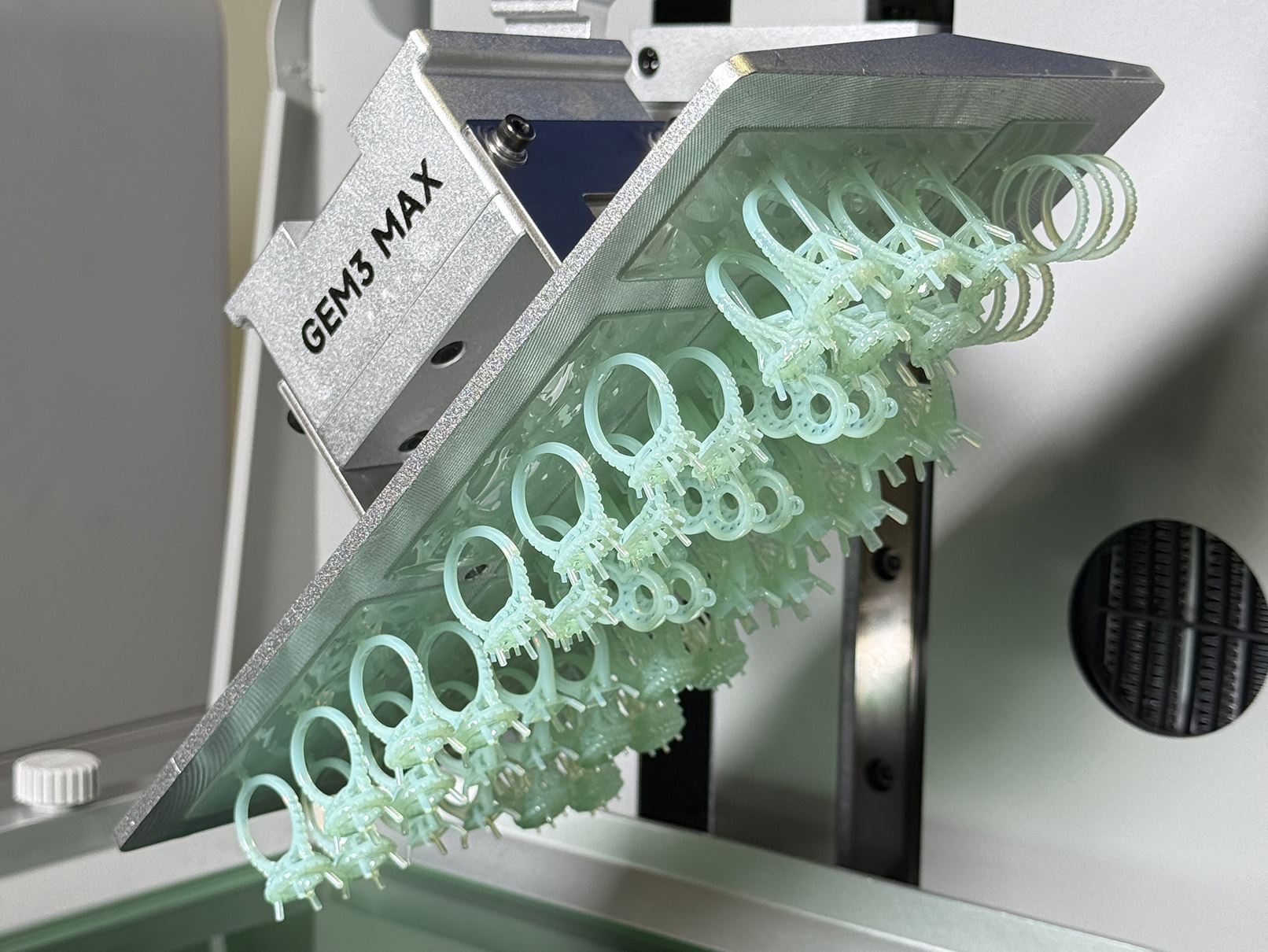
The 211 × 118 × 120 mm forming space is convenient for arranging multiple rings, pendants and bracelet parts or different design versions on the same platform, suitable for design verification, small batch model making and multi-style parallel proofing.
Forming size 211 × 118 × 120 mm
Small batch model making
Multi-style parallel proofing
Stable Z-axis motion Support layer forming
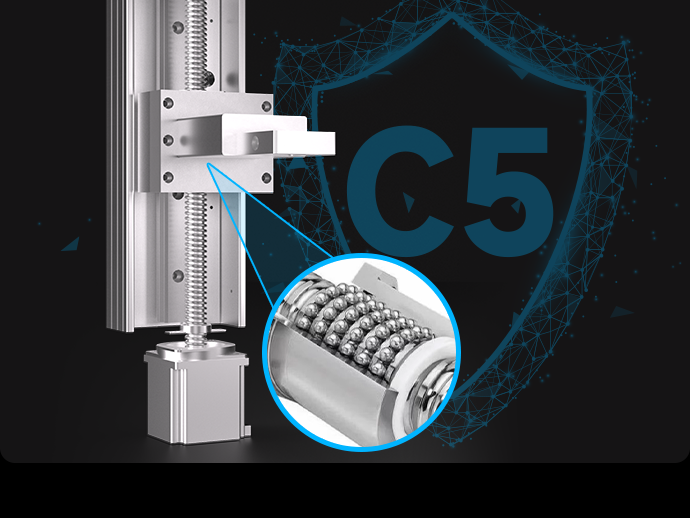
C5 ball screws, linear guides, and industrial-grade stepper motors provide a stable mechanical foundation for platform lifting and interlayer forming, helping to reduce the risk of lamination, staggered layers, and surface abnormalities caused by unstable moving structures.
C5 ball screw
Industrial stepper motor
Double limit switch
Intelligent temperature control heating Make the resin more suitable for printing
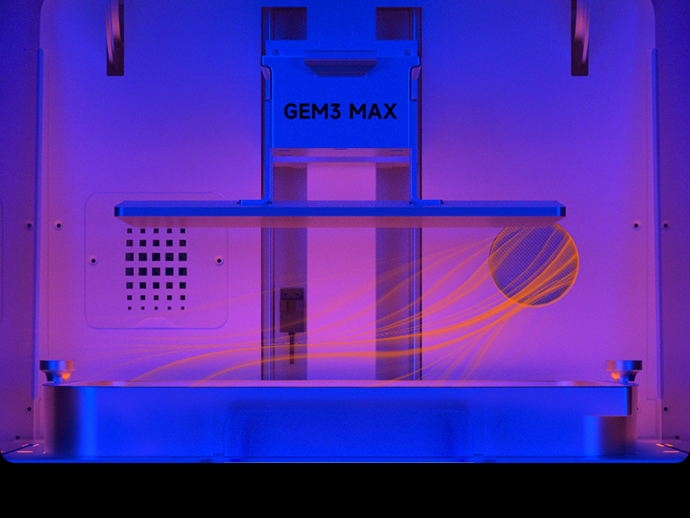
Built-in heating helps the resin maintain a more print-friendly working condition at lower ambient temperatures, providing temperature assistance for continuous printing and molding. Actual results are affected by resin type, ambient temperature, warm-up time, and print parameters.
Printing a thermostatic system to improve material stability
Activated carbon honeycomb purifier
A software ecosystem that connects design, printing, and production management
From model preparation to Facility Management, NOVA3D provides complete software support to help users build more efficient digital printing processes.
NovaStudio from model preparation Desktop workflow sent to the device
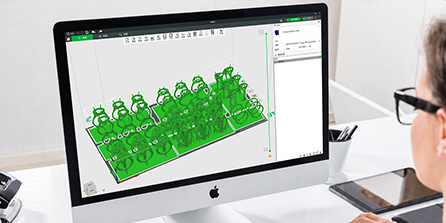
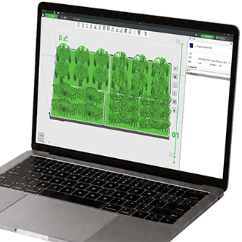
GEM3 Max can cooperate with NovaStudio to complete model import, typesetting, support, slice preview, file sending, and device task management, helping users establish a clearer print preparation process.
Support Wi-Fi, wired network and USB flash drive transmission, and can choose local area network or remote offline import according to the enterprise network environment.
Print job interface
You can view native files, USB flash drive files, slice thickness, current layer count, total layer count, print progress, and model preview, and control print start, pause, and end.
Tools and detection interface
Includes platform setup, trough cleanup, screen detection, and heating setup for easy operator preparation and basic inspection before printing.
Equipment status and maintenance information
It supports viewing screen usage time, release film usage times, network settings, and system information for easy daily inspection and maintenance records.
NovaHandy Mobile App
For remote monitoring, real-time status push and mobile end printing control functions.
NovaHandy: Launched in Q4 2026
NovaCloud Cloud Platform
Used to support multi-device centralized management, cloud slice transmission and production data lake visualization.
NovaCloud: Launched in Q4 2026
Recommended supporting products and materials ecology
GEM3 Max can be used in combination with NOVA3D jewelry resins, FastCure 3 post-curing equipment and NovaStudio software workflows. Different materials and post-processing processes should be selected according to specific application directions and process requirements.
Jewelry casting resin
Suitable for making jewelry resin models, different materials can be selected according to the requirements of micro-inlay, filament, thick wall structure and lost wax casting pretreatment.
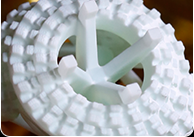
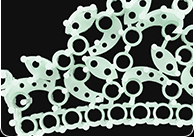
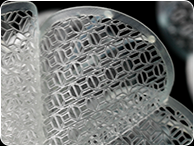
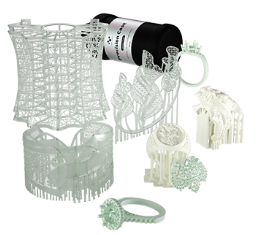
From claw-set rings and filigree structures to complex hollow-out models, show the detailed performance of NOVA3D in jewelry resin model printing. The actual printing effect will be affected by the model structure, resin type, support settings, layer thickness, exposure parameters and post-processing flow.
Recommended data download
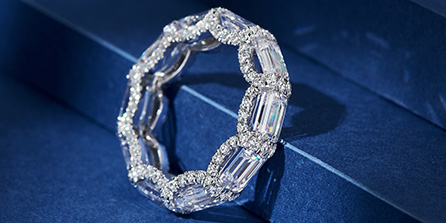
In the face of a wall thickness as thin as 0.3mm and a needle-like claw, it can also be accurately presented.
Use the product:GEM3 Max / Precision Cast Resin Case description:It is used for jewelry design verification and resin model printing to help demonstrate the micro-setting structure, filament texture and complex details, and to provide a solid sample reference for subsequent process evaluation.
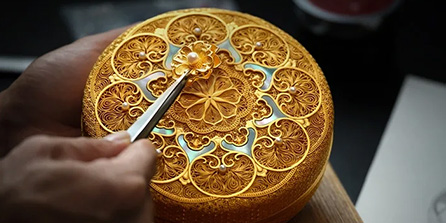
Use the product:GEM3 Max / Filigree Cast Resin Case description:Used for complex filament and hollow structure printing, help to present fine texture and difficult geometry, and provide reliable sample reference for ancient gold and filament jewelry.
Use the product:GEM3 Max / HiWax Cast Resin Case description:It is used for large-gram jewelry and thick-walled model printing to help simulate the effect of traditional wax casting, reduce the risk of fracture in thick casting and improve the yield.
Both devices are suitable for precision resin model making. The GEM3 Max offers higher resolution and larger molding space, which is more suitable for multi-model arrangement and high-detail model needs; the GEM3 is more suitable for users with limited space or small platform requirements.
A: GEM3 Max is suitable for jewelry design teams, print centers, precision model studios, and resin printing users who need more molding space. It is more suitable for scenarios that focus on high-detail models, multi-model arrangement, and stable equipment workflow.
Q: Is 16K resolution equal to the final printing accuracy?
A: Not exactly the same. 16K resolution and 14 × 19μm pixel size provide a finer imaging basis, and the final print effect is also affected by the model structure, resin, layer thickness, exposure parameters, support settings, ambient temperature, and post-processing flow.
Q: What is the significance of 14 × 19μm pixel size for jewelry printing?
A: The 14 x 19 μm pixel size indicates that the device has a finer image imaging unit, which helps to present jewelry details such as micro-claw positions, fine holes, filament texture and hollow gaps. The final print effect is also affected by the model structure, resin type, layer thickness, exposure parameters, support settings and post-processing flow.
Q: Why is light source uniformity important for jewelry batch printing?
A: Jewelry models usually have multiple rings, pendants or small parts arranged on the same platform. If the exposure conditions in different areas of the platform vary greatly, it may affect the details, size and surface performance of the model. GEM3 Max helps to improve the exposure consistency in the forming area through the COB light source and light homogenization system, providing a more stable optical foundation for full-page model printing.
Q: Is the GEM3 Max suitable for full-page ring printing?
A: The GEM3 Max has a 211 × 118 × 120 mm molding space, which can be used for the same platform arrangement of multiple ring or jewelry parts. The actual number of arrangements will be affected by model size, support angle, safety spacing, resin type and printing parameters.
Q: What slicing software does GEM3 Max support?
A: GEM3 Max supports slicing software such as NovaStudio and CHITUBOX. NovaStudio can be used for model preparation, support, slice preview, file sending, and device task management.
Q: What file transfer methods does GEM3 Max support?
A: GEM3 Max supports Wi-Fi, wired network and U disk transmission, and can choose local area network transmission or offline import according to the enterprise network environment.
Q: Does GEM3 Max require a special installation environment?
A: It is recommended to prepare a flat and stable work table, suitable ventilation environment, protective equipment, resin storage area, cleaning tools, post-curing equipment and stable power supply. The recommended operating temperature of the equipment is 20-40 °C.
Q: What is the function of intelligent heating?
A: The intelligent heating function can help the resin enter a more suitable state for printing at lower ambient temperatures. The actual effect will be affected by the ambient temperature, resin type, warm-up time and printing parameters.
Q: What should be paid attention to in the daily maintenance of GEM3 Max?
A: Daily maintenance is recommended to pay attention to platform status, chute cleaning, release membrane usage, exposure screen status, resin filtration, equipment cleaning and software/firmware version. The device interface can view some health information and maintenance related data.
Get the GEM3 Max solution that fits your workflow
Depending on your model size, layout requirements, material orientation, software connectivity, and deployment environment, the NOVA3D team can assist you in evaluating whether the GEM3 Max is suitable for your current use process.



 GEM3
GEM3 GEM3 MAX
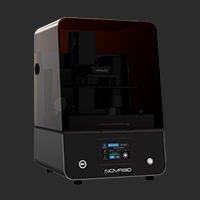 Whale4 Ultra
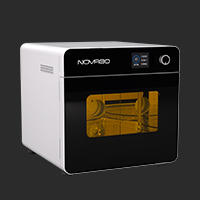 Fastcure 3
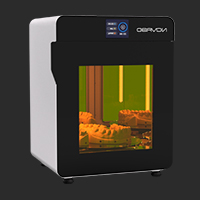 Fastcure 2
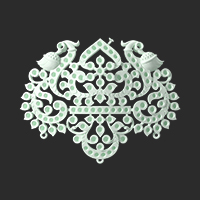 Precision Cast Resin
 Filigree Cast Resin
 Hi-Wax Cast Resin
 Fast Dental Model
 High-Precision Dental Model
 Surgical Guide Resin
 Tough Washable Resin
 Washable Ultra Clear
 Washable Mecha Resin
 Water Washable Resin
 HexaCore Resin
 High Transparency
 TGM Resin
 EZ-Core Resin
 NovaMaker (Windows)
 NovaMaker (macOS)
 Jewelry Application
 Learning Center
 Dental Application
 Download Center
 Social Media
 Contact
 Request a sample
 About
About English